TheMalaysiaPress
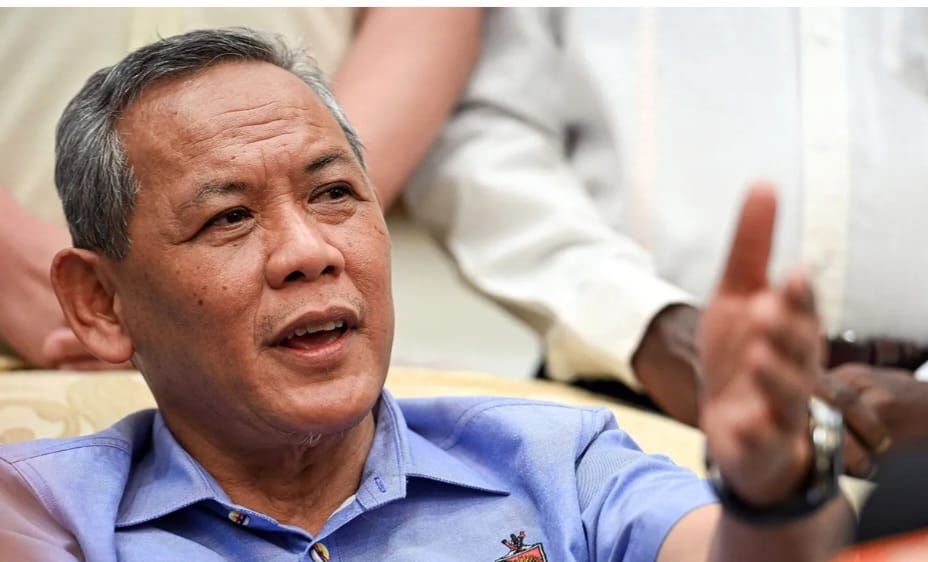
AT a forum supposedly dedicated to “Judicial Independence,” one might expect principled discussions grounded in evidence, clarity, and institutional responsibility. Instead, former Court of Appeal judge Datuk Mah Weng Kwai delivered a masterclass in innuendo — reviving the dark art of insinuation without accountability.
In an astonishingly reckless moment, Mah disclosed that he and another Court of Appeal judge, who were due to preside over a case, received a call from a sitting Federal Court judge. The call, he said, revealed that one of the parties to the case was a “friend” of the said Federal Court judge — an apparent hint at interference. But Mah, in true dramatic fashion, declined to name the individual, offer context, or clarify what action (if any) was taken.
This sort of half-story is not healthy!
Judicial Honour by Ambush
Let’s call this what it is: a drive-by accusation. By withholding the name, Mah evades scrutiny. Yet by disclosing just enough detail, he casts a dark shadow over every Federal Court judge — past and present — and undermines the very institution he once served. This is not how honourable judges behave. This is how political operatives behave when they want to poison the well without drinking from it.
If there was genuine concern about judicial interference, why wasn’t a complaint lodged? Why didn’t he name the judge when he had the power and position to do so? Why raise it now, years later, in a public forum clearly calibrated to stir distrust in the judicial appointment process?
Complicity in a One-Sided Narrative
Mah’s selective revelation is no accident. It fits neatly into the broader narrative pushed at this forum — that judicial independence is under siege not from within, but from external “pressures,” primarily imagined to be political or executive in nature. Ironically, his own anecdote reveals the far more dangerous form of interference: internal whisper networks among the judiciary itself.
But that truth doesn’t serve the current ideological agenda. So, Mah stops short of drawing attention to internal judicial factions and instead leaves the room with an ominous silence — enough to fuel speculation, yet never enough to demand action.
Undermining What He Claims to Defend
In claiming to defend judicial independence, Mah Weng Kwai has done the opposite. He has undermined public trust in the Judiciary by insinuating high-level impropriety without responsibility, transparency, or remedy. Worse, he’s done so in a public forum designed not to resolve issues, but to reinforce a partisan narrative.
This is not justice. This is theatre.
If Dato’ Mah Weng Kwai truly believes in judicial integrity, he should name the judge or withdraw the allegation. Otherwise, he should reflect deeply on the damage caused by his cryptic disclosures — not just to the judge involved, but to the Judiciary as a whole.
*The writer is an advocate and solicitor, and actively involved in legal and constitutional discourse in Malaysia


 Ahmad Nadhir Yob